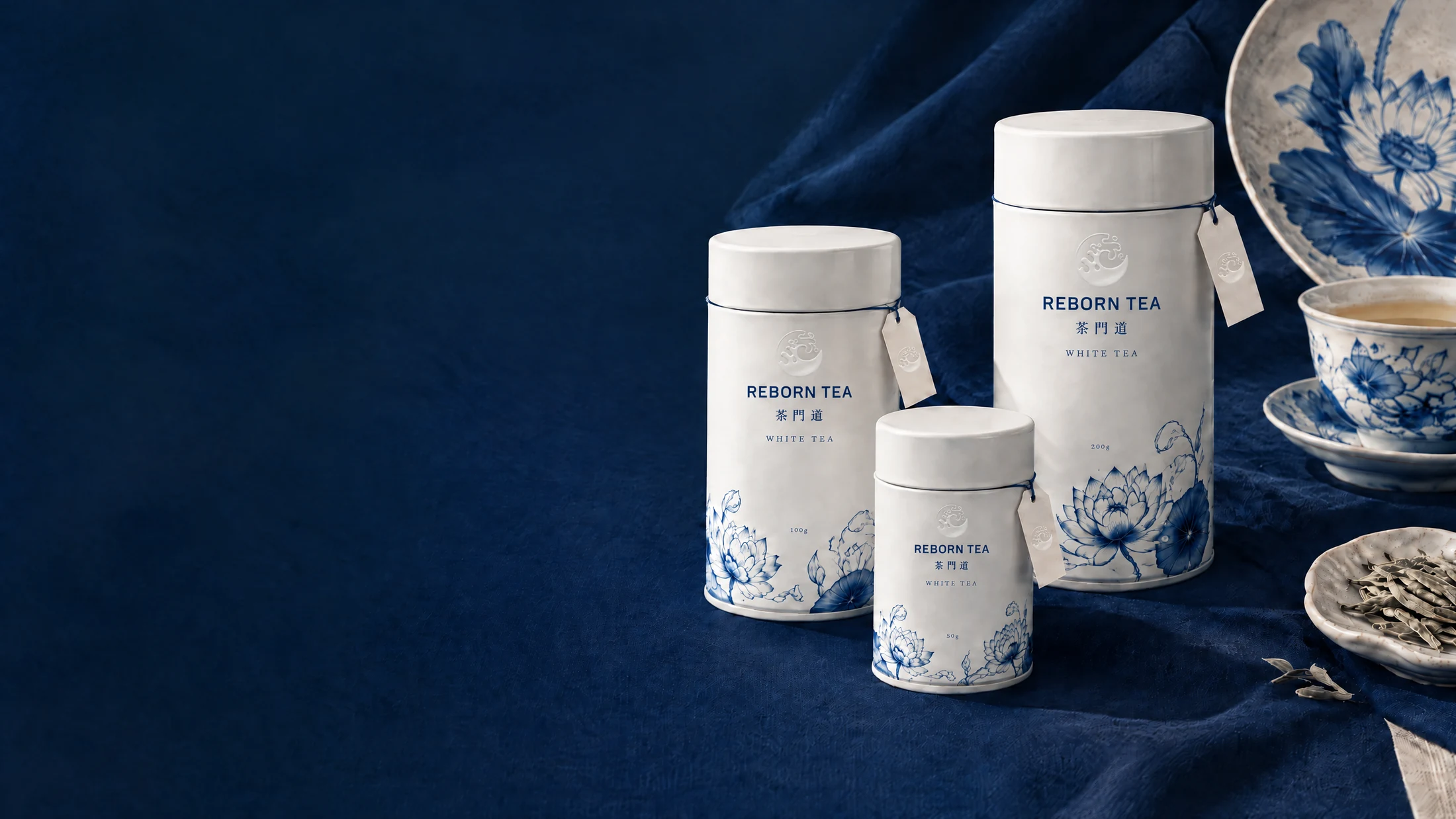
Packaging design illustration

REBORN TEA · WHITE TEA SELECTION

Know its source.Let the tea speak.

From Fuding and Zhenghe to Yunnan, understand source material, tea style and maturation. Explore explainable selection standards and layered flavour preferences to find a loose-leaf white tea direction for everyday drinking.

HOW WE CHOOSE

A choice we can explain.

Reborn Tea was founded by JAX 瑞霖老師. We value how a tea drinks today and the records behind it. Depending on the source and batch, we arrange visits, check producer details, compare samples and review age, storage and test records. A famous origin or an age claim is not a substitute for judgement.

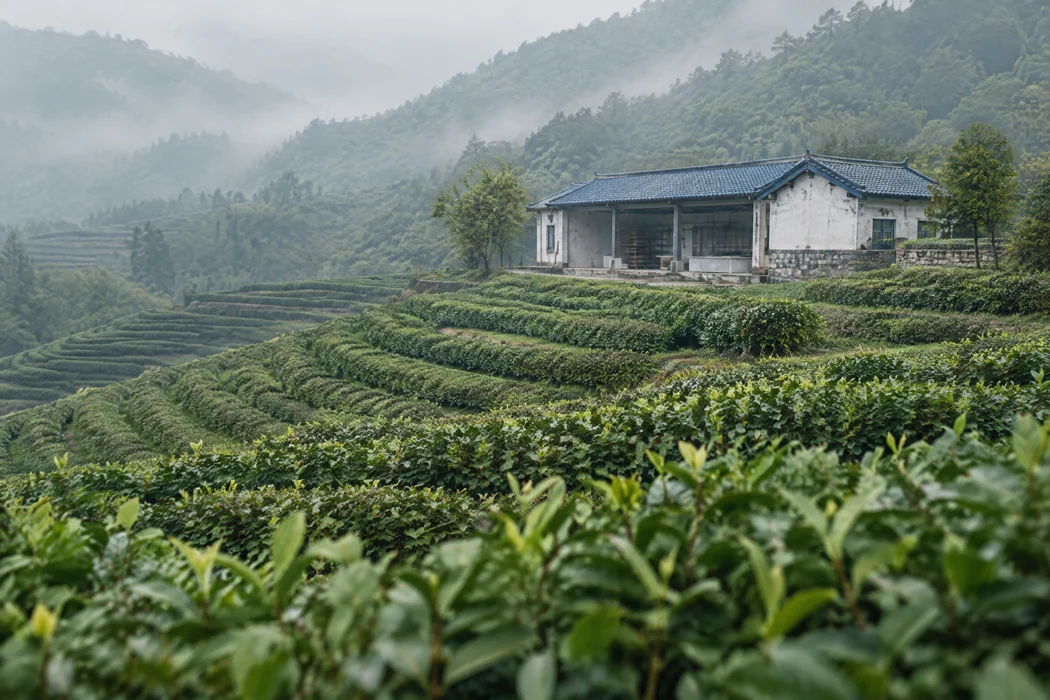
Illustrative tea garden and processing building for provenance review
01

Source and producer

We arrange visits to growing areas or tea farmers as appropriate to the source, and check producer details. Understand where the material comes from and who makes the tea. Look beyond the name for verifiable information.

What we check

Growing area and farmer details, visit records where available, producer and batch information.
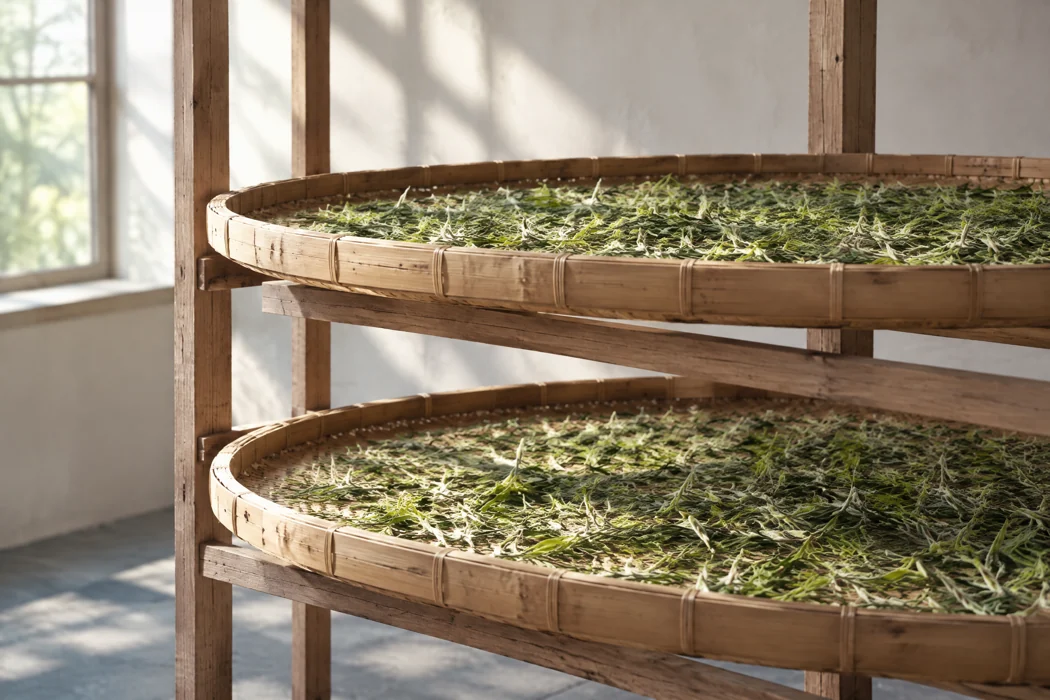
Illustrative white-tea shoots spread thinly on bamboo withering trays
02

Material and processing

We review the material and processing information, including withering and drying, alongside the leaves and brewed tea. Neat leaves or a named technique alone do not guarantee quality.

What we check

Material descriptions, processing details and whether they match the sample.

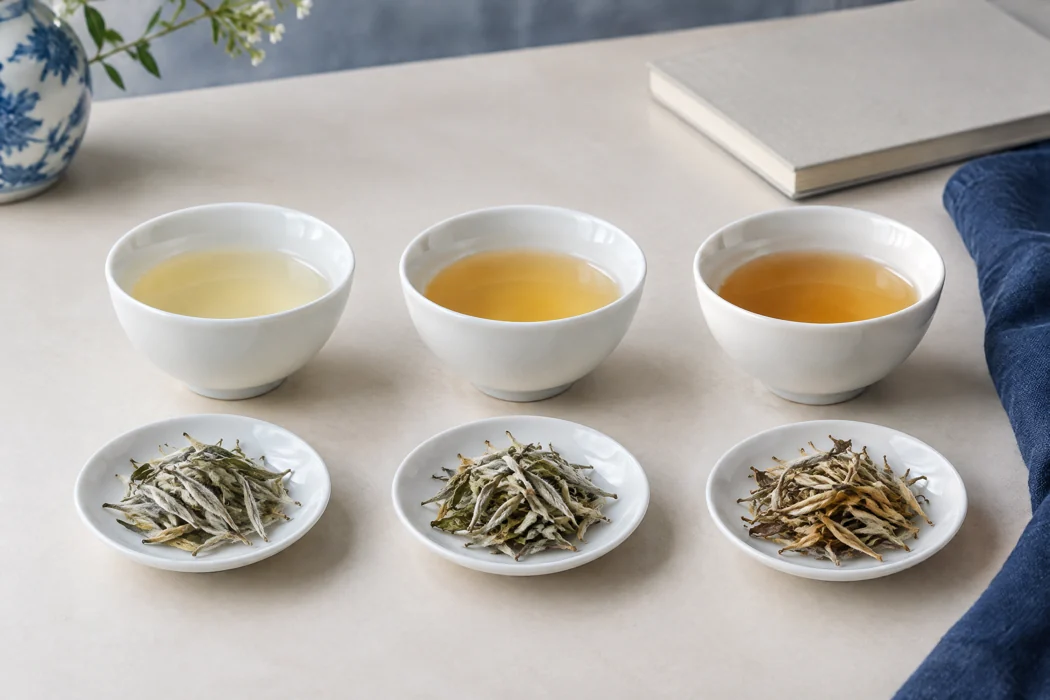
Illustrative comparative tasting with white porcelain bowls and tea samples
03

Comparative tasting

Under comparable brewing conditions, we observe aroma, flavour, texture and changes across infusions. This helps explain our choice. Tasting assesses flavour and condition; it cannot replace safety testing.

What we observe

Sample comparisons, brewing conditions, aroma and tasting notes.

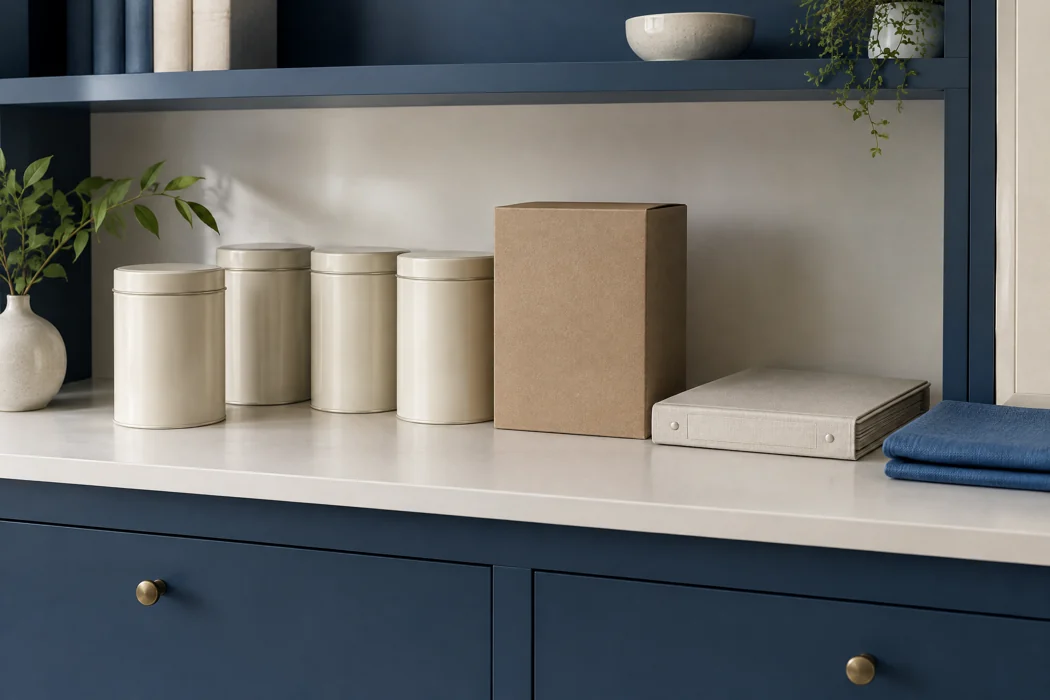
Illustrative closed tea tins and records in a clean dry storage setting
04

Age and storage

We distinguish harvest year from production date and review available storage records. Dry, clean storage without unwanted odours matters. We then assess the actual tea. Older does not automatically mean better.

What we check

Harvest year, production date, storage records and current condition.

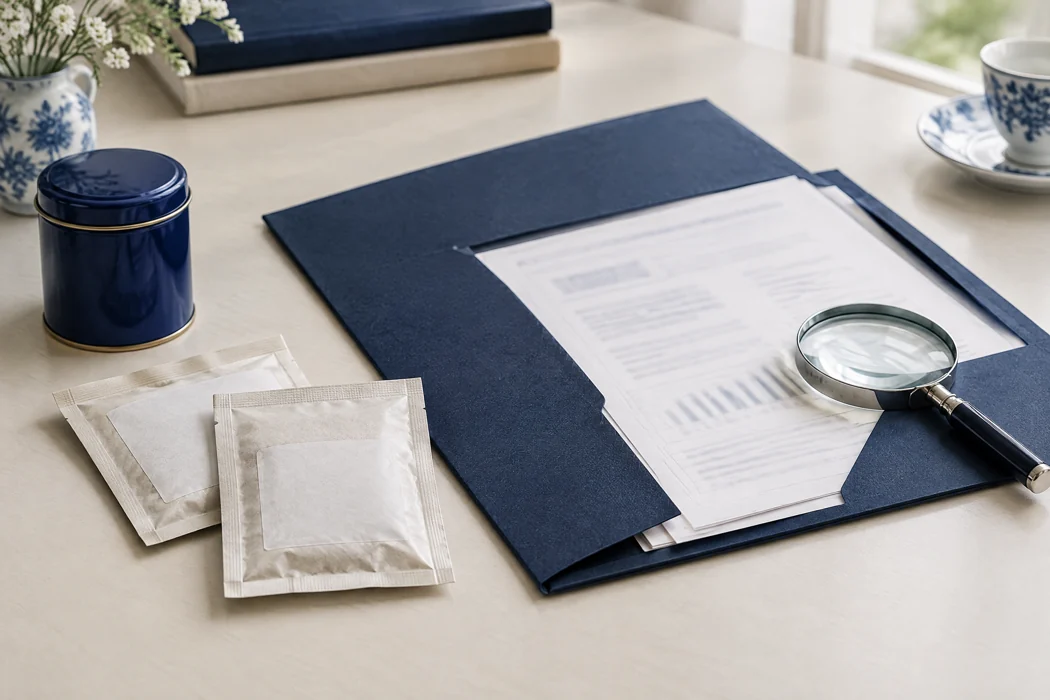
Illustrative batch-document review with sealed samples, not a test result
05

Safety-related records

We review or request test reports as appropriate to the source and batch. When a report is provided, we check its batch, test date and tested items. It covers only the stated sample and scope, not the safety of every tea.

What we verify

Issuing organisation, sample-to-batch match, date, tested items and results.

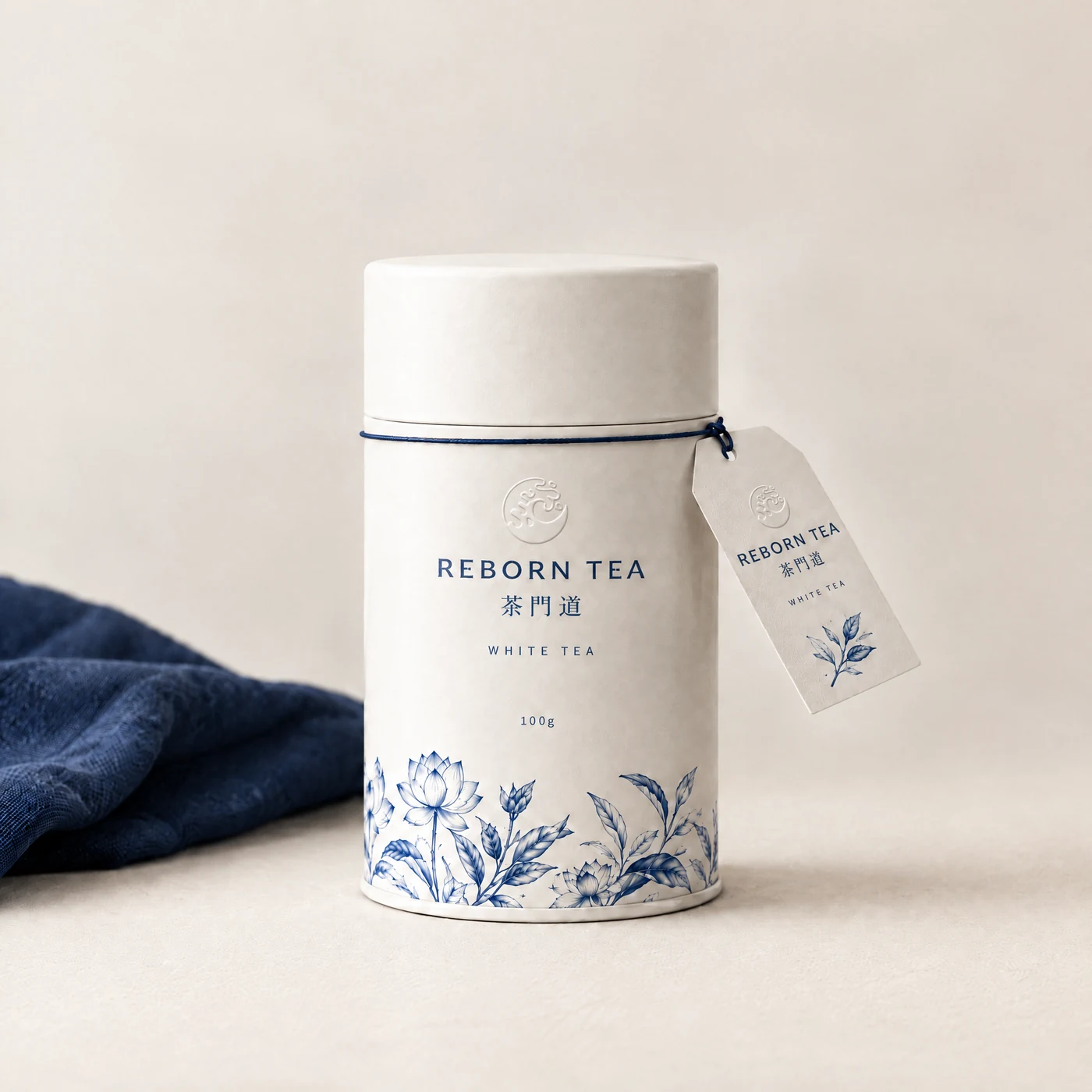
Reborn Tea blue-and-white tin packaging design illustration
06

Packing and labelling

We check tea, batch, net weight and packing information so you can compare your selection with what you receive. 50g, 100g and 200g refer to the net weight of tea, not tin capacity.

What we verify

Tea name, available batch details, net weight and storage guidance.

Images illustrate selection scenarios and packaging design; they are not records of particular farms, factories, storage facilities or batch tests.

These methods are applied according to the source, producer and batch. Not every batch undergoes every step. Please confirm the available records and scope of checks for the specific batch when enquiring.

JAX 瑞霖老師 · WHITE TEA TAXONOMY

Understand the tea’s identity before choosing your cup.

Choose origin and material, then age / storage and management. Compare compatible styles with the flavour wheel—not guarantees of a sample’s identity or flavour.

Origin

Choose origin first. Where tea grows is not its cultivar.

Compare the naming frameworks across three origins. An open selection does not verify where any batch comes from.

Cultivar / plant material

Then choose plant material. Grey options are outside the selected origin direction; their explanations remain available below.

No plant material specified yet. A finished-tea name cannot replace cultivar, garden and plucking records.

Understand every plant-material name
Dabai · Fuding / Zhenghe cultivars
Dabai is an editorial material grouping here: Fuding Dabai and Zhenghe Dabai are distinct regionally named cultivars. It does not mean any white tea with large leaves, or an aged state. Batch records should name the actual cultivar.
Fuding Dahao
A cultivar distinct from Fuding Dabai—not a grade inferred from the quantity of down on the buds. This explorer enables it only for the Fuding direction.
Shuixian cultivar
A tea cultivar name, not a floral tasting note. The general white tea standard includes Shuixian in Silver Needle and White Peony material definitions; actual plucking and processing still matter.
Population / seed-grown material
Usually a local seed-propagated tea population with variation between plants, not one clonal cultivar. The national standard defines Gong Mei using tender shoots of population material; this explorer compares it with Gong Mei / Shou Mei.
Yunnan large-leaf material
A broad tea-plant material category, not one cultivar or proof of ancient trees, wild plants or Jinggu origin. Ask for the specific cultivar, garden and bud–leaf specification.
Jinggu Dabai material
A comparison direction for Jinggu Dabai-related material. The same market name can also refer to a regional brand or finished tea. Distinguish cultivar, Jinggu origin and trade name; Yangta Dabai has a specific cultivar context, not an identity for all Yunnan white tea.
Age / storage state

Time adds a state; it does not create a new cultivar.

Keep recently made and stored samples available for comparison; verify production dates and storage separately.

Growing / management label

A management label, not wild-species or safety certification.

Do not filter by a garden-management story; garden origin and management records still need verification.

Your white tea comparison direction

Origin: Any origin · Cultivar / plant material: Any plant material · Age / storage state: Any age state · Growing / management label: Any management label

Styles to compare

  • Silver Needle
  • White Peony
  • Gong Mei
  • Shou Mei
  • Yunnan Bud White Tea
  • Yunnan Bud–Leaf White Tea
  • Moonlight White

Styles are tasting directions, not quality rankings. Age and management choices do not rewrite plant identity.

These are educational browsing rules, not a complete cultivar-distribution catalogue. Changing origin resets incompatible material to “Any”; it never changes origin for you. Gong Mei follows the national standard’s population-material definition. Yunnan styles are separate comparison directions.

Go deeper: six classification layers to keep separate

01 · White tea is a process / product category; origin is not cultivar

Withering, drying and sorting form the core white tea process. Fuding, Zhenghe and Yunnan answer an origin question. Fuding white tea is not synonymous with Fuding Dabai, nor Zhenghe white tea with Zhenghe Dabai. Cultivars can be grown outside their original region; a cultivar name cannot establish a batch’s origin.

02 · Separate Dabai, Dahao, Shuixian and population material

Dabai is this tool’s editorial material grouping, not a single botanical classification. Fuding Dabai and Zhenghe Dabai have distinct cultivar identities; Fuding Dahao is separate. Shuixian is a cultivar, while population / seed-grown material contains variation between plants. Large leaves, abundant down or darker colour alone do not identify a cultivar.

03 · Silver Needle, White Peony, Gong Mei and Shou Mei are not plant names

GB/T 22291–2017 distinguishes products by material and plucking: Silver Needle uses single buds from Dabai or Shuixian; White Peony uses a bud with one or two leaves of those materials; Gong Mei uses tender shoots of population tea plants; Shou Mei uses tender shoots or leaves of Dabai, Shuixian or population plants. These are product categories, not a compulsory best-to-worst quality ladder. The explorer narrows comparisons; it does not grade a batch.

04 · Yunnan large-leaf, Jinggu Dabai and Moonlight White are different layers

Yunnan large-leaf is a broad material category. Jinggu Dabai needs clarification: material, origin or regional brand? Moonlight White is a variable trade / style name, not a botanical cultivar; Yunnan’s group-standard reference-sample work also uses that name. Our Yunnan Bud White Tea, Yunnan Bud–Leaf White Tea and Moonlight White are comparison directions, not fifth, sixth and seventh national-standard categories. No single sun-drying, shade-drying or night-time method is assumed.

05 · Age and pressing do not change plant identity

Silver Needle, White Peony and other white teas can each have different storage ages. Old white tea adds time and storage information to an existing identity; it is not a new cultivar. There is no universal three-, five- or seven-year formula. Loose and compressed tea are finished forms; pressing date is not necessarily original production date. Liquor colour or one aroma cannot verify age or storage.

06 · Wilderness is not proof of a wild species or safety

Previously cultivated gardens that later receive little management can also be sold as wilderness tea. Establish plant identity, plot origin and management history separately. Pesticides and other safety questions require batch-linked compliance evidence and testing where needed—not inference from a name, price or garden story.

For learning and tasting selection only, not a guarantee of any sample’s origin, cultivar, age, flavour, quality or safety. Styles and stock information are illustrative samples, not current-stock promises; actual availability and batch identity require separate confirmation.

EXPLORE YOUR TASTE

What would you like to find in your cup?

Combine origin, material, age and growing context with aroma, detail and texture. Recommendations update to respect compatible classifications.

WHITE TEA EXPLORER · THREE-LAYER FLAVOUR WHEEL

Follow an aroma. Find your white tea direction.

No tasting vocabulary needed. Choose an aroma, a detail, then a texture. Source and raw material narrow the styles to compare; they do not automatically determine aroma. Use the wheel or the equivalent buttons below.

Selection progress0 / 3 steps
  1. Aroma family
  2. Aroma detail
  3. Liquor texture
Interactive three-layer white tea flavour wheelChoose aroma on the outer ring, detail on the middle ring and texture on the inner ring. Tab to focus; press Enter or Space to select. Equivalent buttons are provided below.Light, delicate freshness; origin alone does not determine this impression.Tea-bud and fine-down metaphors for delicate aromas, not proof of bud content or grade.Delicate-flower aroma metaphors, not added flowers.Sweetness as an aroma impression, not added sugar or a measured sugar content.Fruit metaphors describe aroma, not added fruit.Herb, leaf and wood metaphors—not health claims or proof of wilderness growth.Explore settled aromas without inferring age. Aged white tea is a storage state, not a cultivar.Choose an aroma family to unlock its details.Choose an aroma family to unlock its details.Choose an aroma family to unlock its details.Choose an aroma family to unlock its details.A preference for light, clean-feeling liquor.A preference for a gentle, smooth texture.A preference for a fuller, more substantial body.A preference for a rich, rounded body.
01 Outer · Aroma family02 Middle · Aroma detail03 Inner · Liquor texture
01 Aroma family

Choose an aroma family to unlock its details.

02 Aroma detail

Choose an aroma family to unlock its details.

03 Liquor texture

Choose an aroma detail to unlock texture.

FOUR WHITE TEA CATEGORIES · EXAMPLES

Choose a direction. Confirm the tea.

Choose origin and source material, then compare style and flavour. Explore four traditional product categories alongside Yunnan buds, buds-and-leaves and Moonlight White style directions. These are enquiry preferences—not seven cultivars or a stock list.

Selection context

Origin: Any origin · Cultivar / plant material: Any plant material · Age / storage state: Any age state · Growing / management label: Any management label

These style directions respect your origin and material choices. Age and growing context require separate batch records; no current-stock guarantee is implied.White Tea Classification ↗
White Peony · 100g · Packaging design illustration
Packaging design concept only: a white cylindrical metal tin with Reborn Tea branding and blue-and-white floral artwork. This is not an actual finished product. Final packaging needs confirmation. Grams refer to tea net weight; no tin capacity is guaranteed.

REBORN TEA · Illustrative tea style

White Peony

Buds and leaves together offer a starting point for comparing aroma and flavour balance. Consider this category to explore floral notes and layers in the cup.

Floral directionFlavour balanceLayered texture

Ask about different ages, including aged loose-leaf tea. Storage may change aroma and texture. Judge the actual batch.

Loose-leaf tea. A size for your routine.

Loose-leaf white tea is offered in tins with 50g, 100g and 200g net-weight choices. Enquire about recent or aged samples; actual styles, years and size availability are confirmed individually.

For daily sipping and comparing brewing methods.

Tea and pack options change with supply. Examples and packaging illustrations do not confirm stock, an accepted preorder or availability.

A TEA, JUST FOR YOU

Your preferences. Our next conversation.

Choose a white tea category, net weight and age or source preference. Add the aromas or texture you enjoy. Contact Reborn Tea on WhatsApp. We will confirm options and available records based on current supply.

White tea categoryWhite PeonyTin net weight100gSelection contextOrigin: Any origin · Cultivar / plant material: Any plant material · Age / storage state: Any age state · Growing / management label: Any management label
Enquire on WhatsApp

This is an availability enquiry, not an order or preorder confirmation. Tea, age, wilderness provenance, size, packaging and available records are subject to Reborn Tea's reply.

Contact Reborn Tea · +852 6203 8683 ↗

A FEW GOOD QUESTIONS

Are Fuding, Zhenghe, Yunnan, Dabai and aged white tea equivalent categories?

No. Fuding, Zhenghe and Yunnan identify origins. Names such as Fuding Dabai and Zhenghe Dabai can identify tea cultivars. Silver Needle, White Peony, Gong Mei and Shou Mei are product categories; aged white tea describes storage and maturation. Read these dimensions together rather than choosing by one label.

Does choosing Zhenghe, Dabai and aged mean that combination is in stock?

No. Classification, flavour and tin choices express your interests, not live inventory. We confirm available tea, source material, origin, production year and storage records when you enquire; 50g, 100g and 200g options are also confirmed by tea.

Is older white tea always better? What does its year mean?

Not necessarily. Harvest year refers to when the material was picked. Production date refers to when the product was made. They should not be used interchangeably. Consider material, processing and storage records together. Dry, clean storage without unwanted odours matters, as does the tea's current condition. Age alone does not guarantee quality, a particular flavour or an increase in value.

Does wilderness-grown mean wild or pesticide-free?

No. “Wilderness-grown” describes the growing or management background claimed for a product. It is not a separate basic tea category beyond the four shown here. Nor does it guarantee wild growth, pesticide-free cultivation or higher quality. Mention your interest when enquiring, then ask about verifiable provenance and related records.

Is every batch fully tested? Can tasting establish safety?

We apply checks according to the source, producer and batch. The scope of checks varies by batch; a report is not a blanket guarantee for all teas. Tasting cannot replace safety testing. When a report is provided, check its issuing organisation, batch, date and tested items. Do not extend its findings to teas or risks outside its scope. Confirm the available records for each batch.

Can I buy or preorder the examples directly?

This page lets you express preferences and enquire about availability. It does not confirm an order or preorder. Choose Silver Needle, White Peony, Shou Mei or Gong Mei, and a 50g, 100g or 200g net weight. Then contact us on WhatsApp. Actual tea, age, origin, size and packaging will be confirmed separately. Packaging images are design concepts only.

Categories refer to the national white tea standard. Flavour and ageing descriptions draw on studies of specific white tea samples. These are references for understanding and comparison, not certification of Reborn Tea, its suppliers or any batch. The examples here are not claimed to share the studies' flavours or test results.

National white tea standard · public record ↗Sensory-directed flavour analysis of Jinggu white tea ↗Flavour changes of Yunnan large-leaf white tea during ageing ↗

Reborn Tea · Choose with provenance. Judge the tea in your cup. No therapeutic, low-caffeine, pesticide-free or investment claims are made here. White tea contains caffeine. Flavour notes, tea examples and packaging concepts do not replace batch details or availability confirmation.

← Back to the White Tea Guide