
Fragrant, never overpowering
New white tea often displays downy, fresh or floral notes. It need not make an intense first impression; instead, attentive smelling and slow sipping invite you to notice subtle changes.
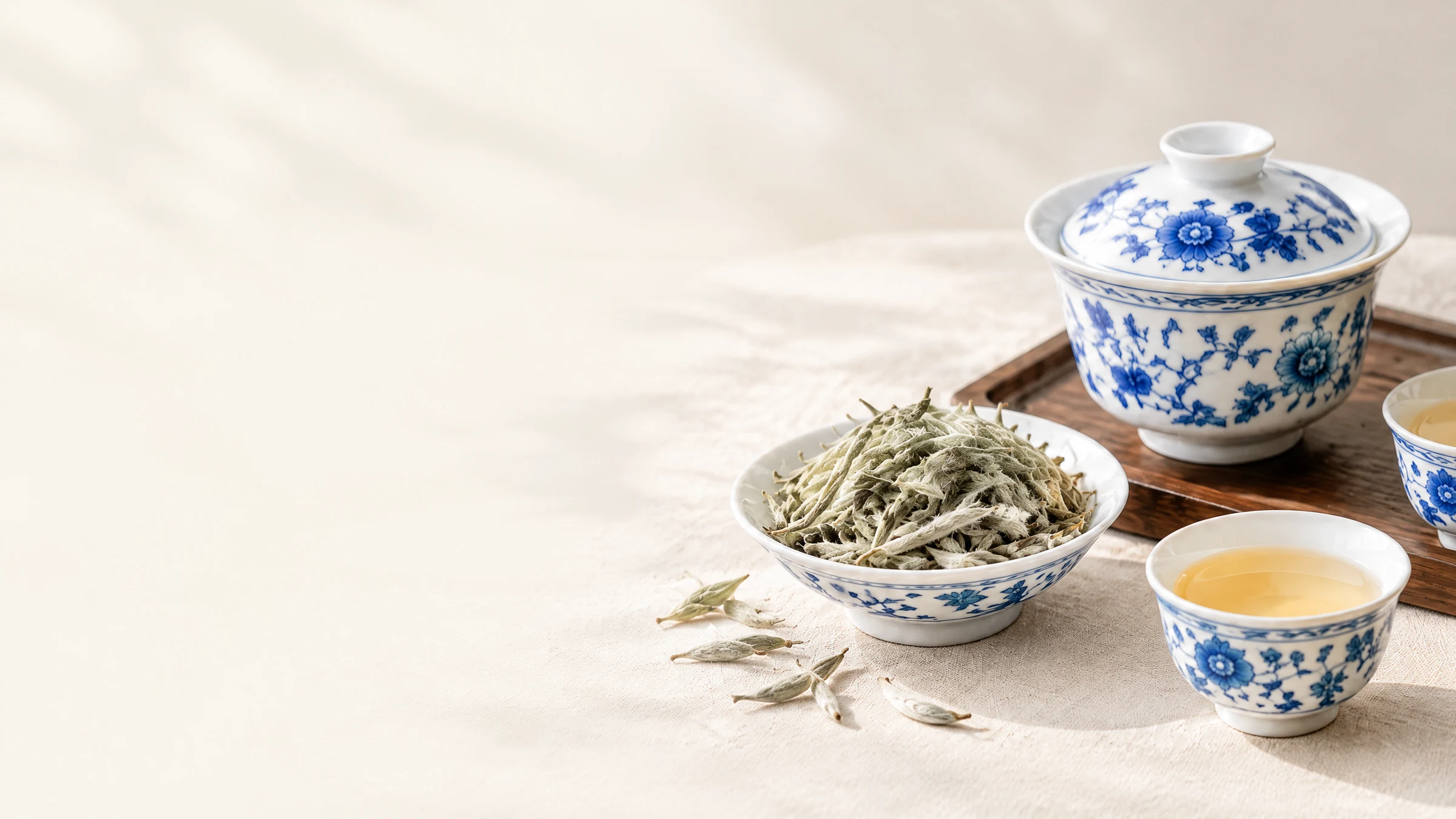
WHITE TEA · White Tea Specialisation
A delicate fragrance, gentle on the palate.
From the ease of the first cup to the layers revealed through mindful tasting.
A NEW WAY TO ENJOY TEA
White tea is easy to start drinking and rewarding to understand over time. From nuanced flavours to everyday tea settings, its appeal lies not only in the first sip, but also in how you spend time with each cup.
New white tea often displays downy, fresh or floral notes. It need not make an intense first impression; instead, attentive smelling and slow sipping invite you to notice subtle changes.
With a suitable tea and a considered brewing method, white tea can offer a fresh or mellow taste. Its texture, lingering finish and changes across successive infusions also offer depth for experienced tea lovers.
A favourite cup and a white tea you love can fit into a break at work, an afternoon of reading or a get-together with friends. White tea need not be reserved for the tea room.
New white tea offers fresh, delicate qualities to appreciate; with aged white tea, you can observe changes in aged aromas and liquor texture. The raw material, processing and storage conditions always matter more than the year label.
“Gentle” describes a flavour impression; it does not mean every tea or brewing method will be free of bitterness or astringency, nor does it imply low caffeine.
WHITE TEA IN HONG KONG
Discovering white tea in Hong Kong need not start with memorising ages and origins. Reborn Tea centres its teaching on white tea tasting and Korean tea etiquette. Led by JAX 瑞霖老師, learning connects choosing and brewing tea through observing dry leaves, exploring aromas and comparing the texture of the liquor.
Fuding and Zhenghe are growing regions. “Yunnan large-leaf” describes the tea-tree material, rather than the same kind of classification as a region. Origin alone cannot determine quality, and Yunnan material is not necessarily sweet. Assess the raw material, processing, storage and the actual tea together, paying attention to aroma, flavour and changes across infusions. For aged white tea, check age and storage records; for wilderness-grown white tea, look for verifiable provenance rather than treating the name as a quality guarantee.
Beginners can start with white tea foundations and brewing. Those with tasting experience can explore aged and wilderness-grown white teas in greater depth. If you are still learning what a tea workshop involves, read the guide first, then follow your interests.
Build foundations: white tea tasting and brewing workshop ↗
Explore further: wilderness-grown and aged white tea tasting ↗
Tasting is not simply about finding one correct answer; it is about learning to explain what you observe. Bring that learning into everyday brewing: adjust the amount of leaves, water temperature and infusion timing for the tea, then judge by the taste in your cup.
SIX TEA FAMILIES
The six main tea categories are classified by their processing methods and product characteristics, not ranked by quality. Select a tea category to learn about its key processes and how it differs from white tea.
WHITE TEA
Withering → Drying
Traditional white tea processing centres on withering and drying, generally without pan-firing or rolling. Mild oxidation occurs during withering. The process is relatively simple, yet calls for great discernment in selecting raw materials and judging temperature and humidity.
White tea can show fresh, downy, floral or mellow notes; its aroma and flavour vary with the tea, its age and the brewing method.
Processing methods are simplified summaries of the main production routes; individual products vary. Traditional white tea is not pan-fired or rolled, but this does not mean it is never heated or undergoes no chemical changes. Based on GB/T 30766, *Tea Classification*, and official educational materials on the six tea categories.
Traditional white tea processing centres on withering and drying, generally without pan-firing or rolling. Mild oxidation occurs during withering. The process is relatively simple, yet calls for great discernment in selecting raw materials and judging temperature and humidity. White tea can show fresh, downy, floral or mellow notes; its aroma and flavour vary with the tea, its age and the brewing method.
Green tea is mainly processed through fixation, rolling and drying. Fixation uses heat to deactivate enzymes and inhibit enzymatic oxidation, often producing green hues and fresh flavours. Unlike white tea, green tea undergoes fixation early to control oxidation; traditional white tea develops flavour through withering before drying.
The key to yellow tea is the yellowing process, which uses warm, humid conditions to bring about changes that create quality characteristics such as yellow leaves and a yellow liquor. The specific steps vary from product to product. Yellowing is an important feature of yellow tea processing; it should not be understood simply as a degree of ‘fermentation’ between green tea and white tea.
Oolong tea undergoes shaking to encourage partial enzymatic oxidation, followed by fixation to control further changes. Different processing methods and roasting styles bring a diverse range of aromas and flavours. Shaking shapes the quality of oolong tea; white tea does not use this traditional sequence of shaking, fixation and rolling. There is no fixed oxidation percentage that applies to every tea.
In black tea processing, ‘fermentation’ primarily refers to enzymatic oxidation. It is key to the tea’s quality and often produces a reddish liquor and a richer, fuller flavour. The mild oxidation of white tea differs from the processing of black tea. ‘Fully fermented’ is a common educational term, but does not mean that every component has been oxidised completely.
The main primary processing steps for dark tea listed in the national standard include fixation, rolling, pile fermentation and drying. Under specific temperature and humidity conditions, pile fermentation promotes changes in the tea’s constituents and is commonly described as post-fermentation. Post-fermentation in dark tea and the slight oxidation that occurs during white tea withering are not the same process. Each of the six tea categories has its own distinctive character; they are not ranked by quality.
FIND YOUR FIRST WHITE TEA
Start with the proportion of buds and leaves and the flavour profile to find the style that suits you. Silver Needle, White Peony and Shou Mei are white tea product categories, not tea plant varieties; Gong Mei is also a white tea product category listed in the national standard.
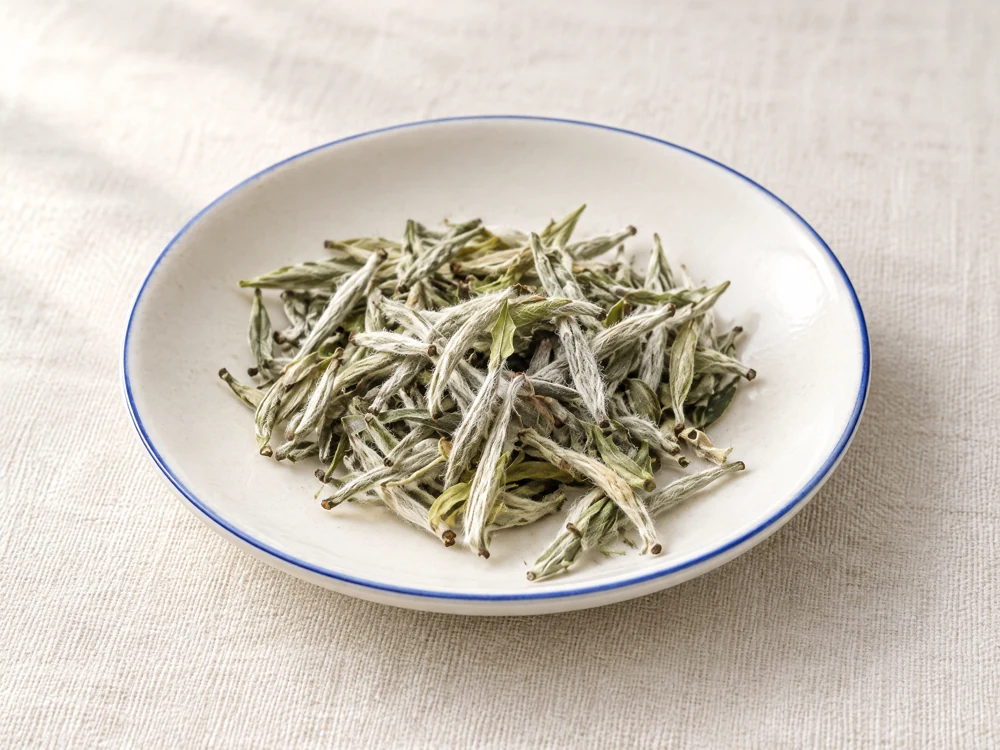
Appreciating the Buds and Downy Aroma。Made primarily from buds, this tea offers a way to gradually develop an eye for white tea—from its silvery down and dry-leaf form to its delicate liquor.
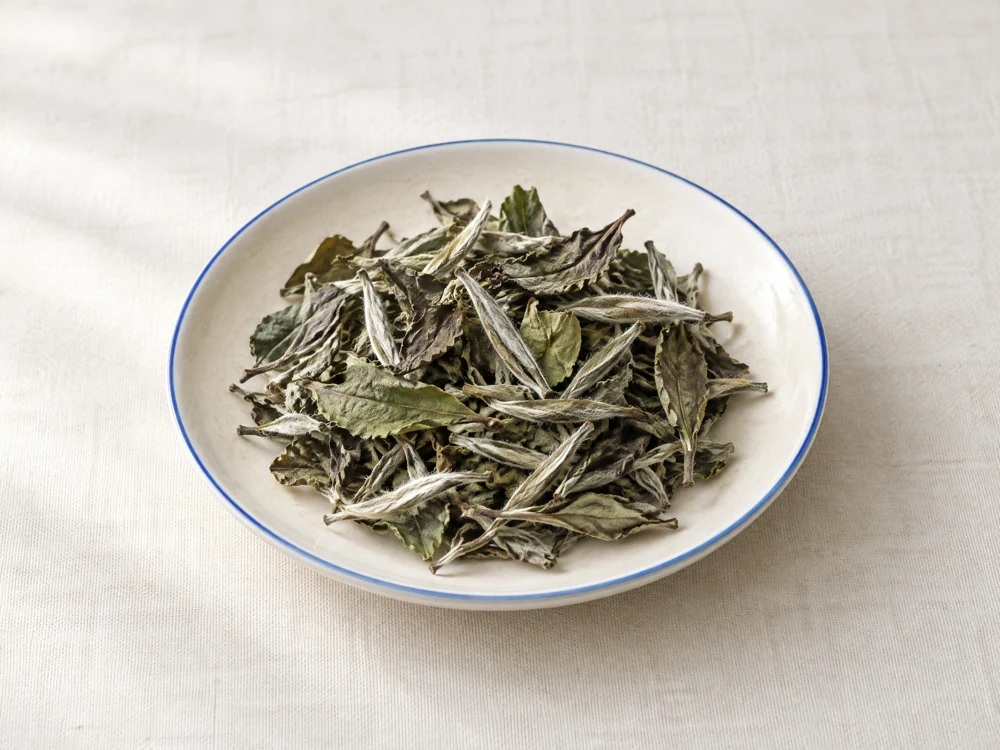
Sensing the Layers Between Buds and Leaves。Known for its combination of buds and leaves, it can offer fresh, delicate notes, a downy aroma or floral aromas. It is well suited to comparing the aromas and flavours of different teas.
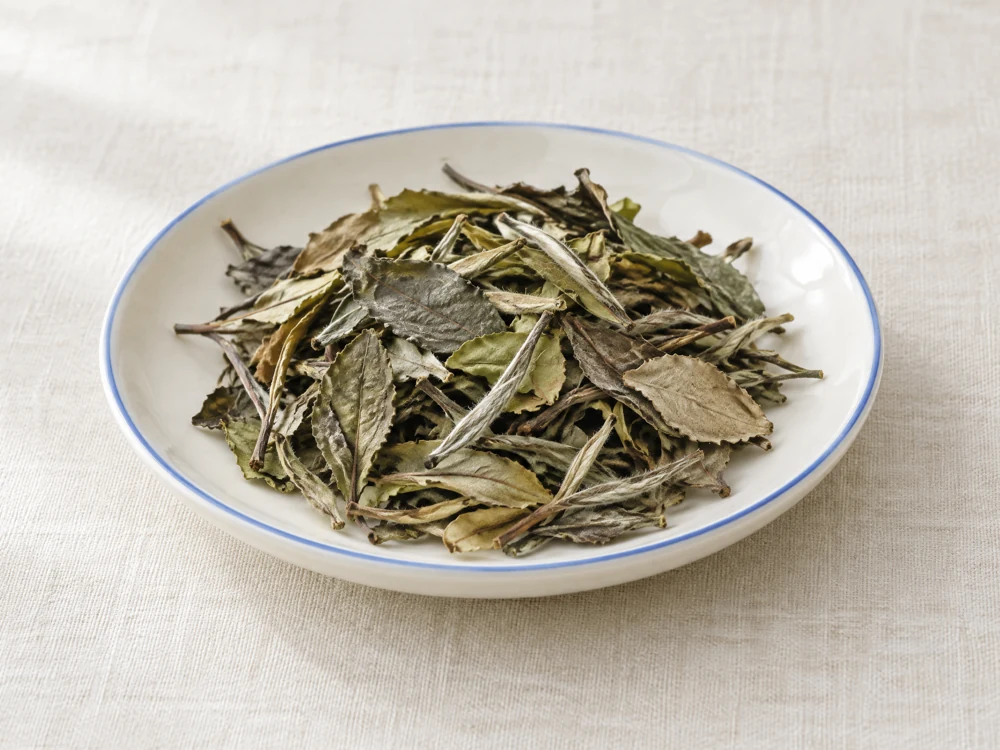
Discovering Another Side of Mellow。With a higher proportion of leaves, it expresses flavours distinct from Silver Needle and White Peony. Fewer buds do not mean lower quality: choose according to the tea’s actual quality and your preferences.
The tea images are visual illustrations of tea appearance and tea lifestyle, not specific batch products. Please refer to the information provided during the class or in response to your enquiry for details of the actual teas.
AGE & ORIGIN
“Aged white tea” refers to its state in relation to age; “wilderness-grown” refers to its stated growing and management background. Distinguishing between the two helps you avoid choosing tea by name alone.
AGED WHITE TEA
White tea aged for different lengths of time can come from different white tea product categories. Changes in aroma, flavour and liquor texture as the tea ages should be understood in the context of its production date, storage and preservation records. A darker liquor does not mean the tea is older, and age is no guarantee of quality.
Explore an in-depth aged white tea tasting ↗GROWING ENVIRONMENT
“Wilderness-grown” is not a distinct basic category of tea, nor can the name alone prove that tea is wild, pesticide-free or necessarily of higher quality. Learn about its specific origin, picking standards and maker, then appreciate its distinctive flavour through comparative tasting.
Explore wilderness-grown white tea tasting ↗WHITE TEA MASTERY
Led by JAX Ruilin, learn to observe dry leaves, identify aromas and understand mouthfeel. Adjust water temperature, the amount of tea and steeping time to suit each tea, turning your impressions into practical judgement.
FOUNDATIONS
From Silver Needle and White Peony to Shou Mei, build a foundation through comparative tastings of several teas, and practise brewing methods suited to everyday use.
Explore the introductory white tea course ↗DEEPER EXPLORATION
Explore origin, age and storage in greater depth. Observe each infusion and keep tasting notes to develop a more complete understanding of white tea quality.
Discover advanced tasting ↗A FEW GOOD QUESTIONS
Begin with reliable knowledge, then let your own tea-drinking experience grow over time.
Yes. Reborn Tea offers a white tea tasting and brewing workshop and an in-depth wilderness-grown and aged white tea tasting course in Hong Kong, led by JAX 瑞霖老師. Beginners can build a foundation in choosing and brewing tea, while experienced drinkers can explore provenance, age and storage. See the course page for the content, and contact Reborn Tea for specific arrangements.
It suits those who would like to begin exploring tea through delicate aromas and gentle flavours. With the right tea and a considered amount of leaves, water temperature and infusion timing, white tea can be approachable—but not every white tea is free of bitterness and astringency.
You cannot determine whether a tea is lower in caffeine solely from its category, liquor colour or slight oxidation. White tea contains caffeine, and both its caffeine content and the amount extracted vary with the raw material and brewing method. Those sensitive to caffeine should adjust when and how much they drink according to their individual circumstances.
Not necessarily. The age of a tea should be considered alongside its raw material, processing and storage. Check its origin and storage records, then assess it by how it tastes now. Being suitable for long-term storage does not mean it will inevitably improve or appreciate in value.
These judgements cannot be made from the name alone. “Wilderness-grown” describes the growing or management background claimed for a product; it is not a distinct basic tea category, nor does it mean that wild growth, pesticide-free cultivation or higher quality has been verified. When choosing tea, it is best to look for verifiable information about its provenance.
Further reading:Silver Needle, White Peony and Shou Mei: A Guide to White Tea Styles and Flavours ↗The Beauty of Aged White Tea: Time, Aroma and Storage ↗Wilderness-Grown White Tea and Aged White Tea: Understanding Quality Through Origin, Age and Storage ↗
References for processing and classification:GB/T 30766 Tea Classification ↗Ministry of Agriculture and Rural Affairs: The Six Major Tea Categories ↗GB/T 22291 White Tea ↗Research on the components of white tea ↗
White tea contains caffeine. Its aroma and flavour vary according to the raw materials, processing, storage and brewing method. If you are sensitive to caffeine, please adjust when and how much you drink according to your individual needs.
YOUR NEXT TEA EXPERIENCE
From delicate aromas to layered flavours, find the tea you love and learn to bring out its character.